Finding a site for mobile home Ireland searches usually starts with a practical question: "Where can I put it?" The safer question is slightly different: "What use can I defend on this exact site?"
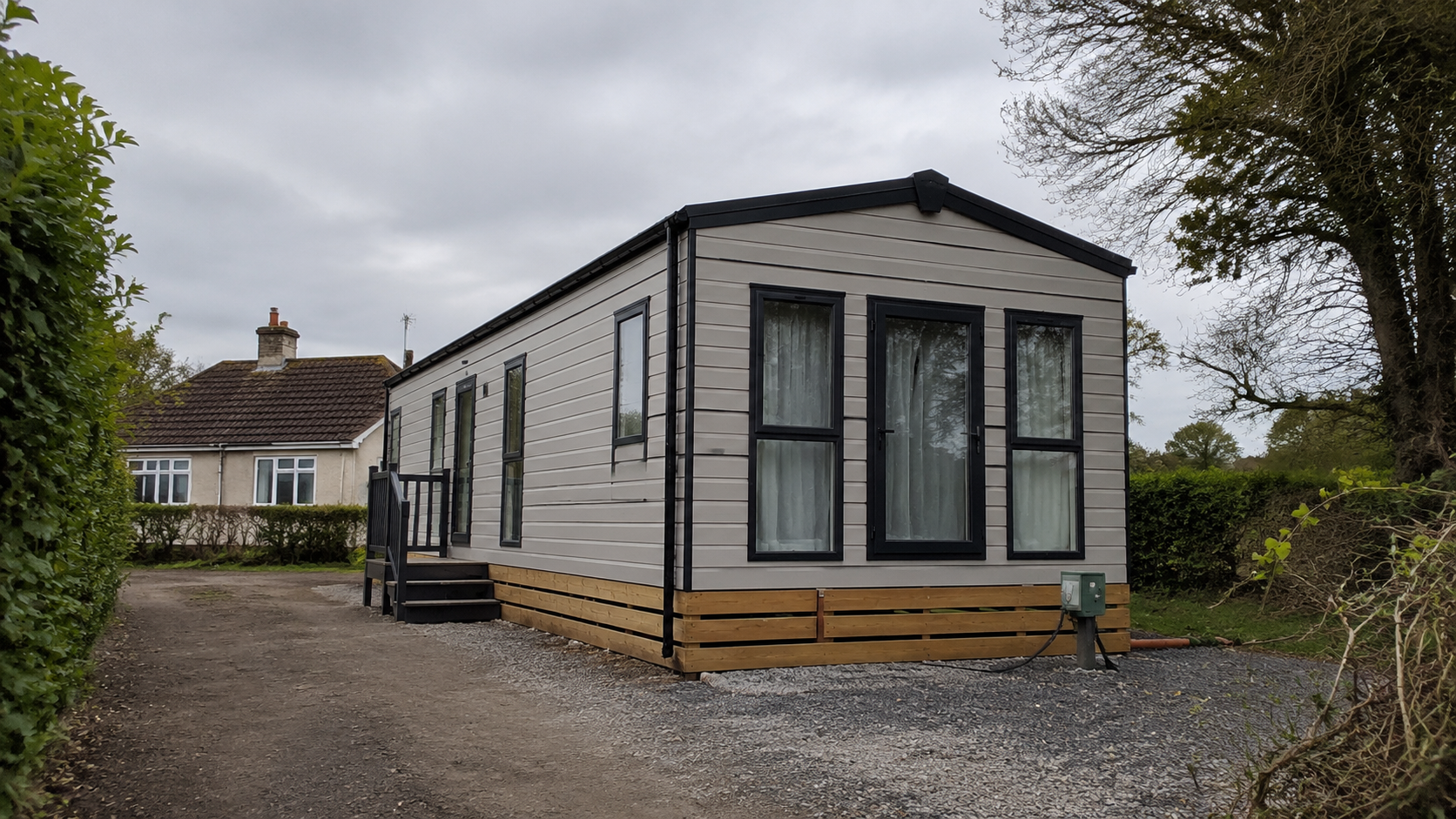 Generated concept image. It shows the type of rural or family-land setting buyers ask about, not a supplier product.
Mobile homes, cabins and tiny homes can look simple to buy, but the site decides whether the idea is realistic. A unit that works as a holiday park stay may be completely different from a full-time home in a parent's field. A low-cost mobile home can also become expensive if the land needs wastewater work, a hardstanding base, electrical upgrades, crane access or planning advice.
This guide is for Irish buyers comparing family land, private sites, park sites and long-term residential use. It is not legal advice. Use it to prepare the facts before speaking to a local authority, planner, supplier or solicitor.
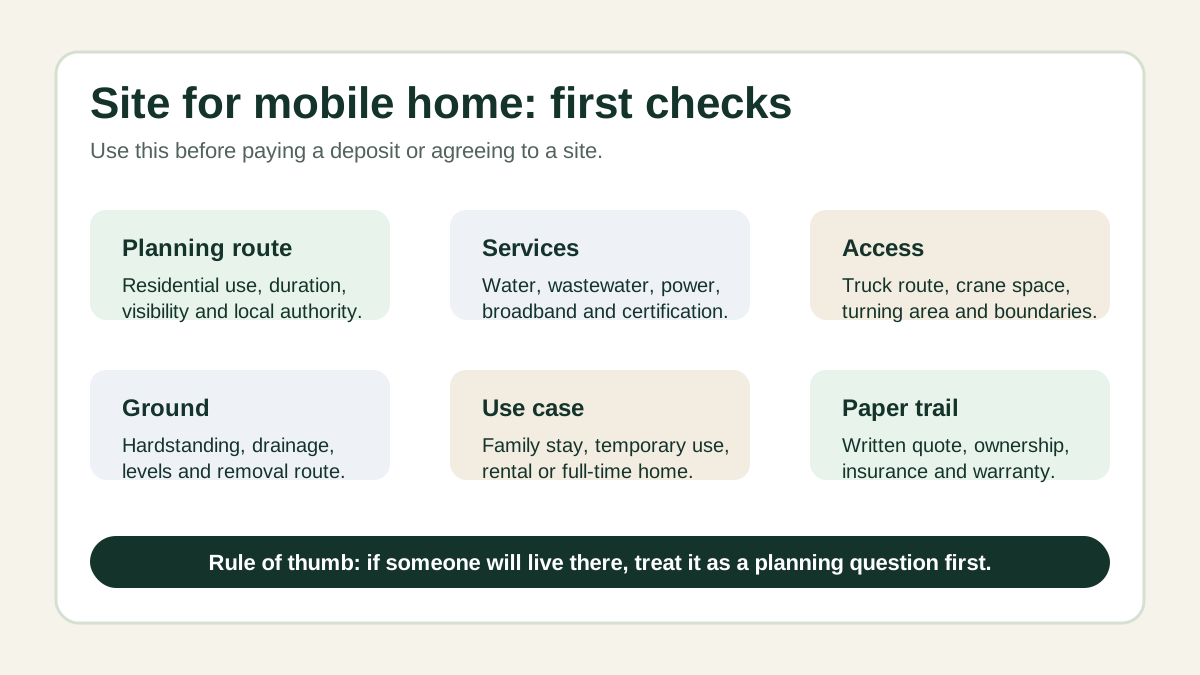
Quick answer: what makes a site workable?
A workable Irish mobile-home site usually has six things in order:
| Check | Why it matters |
|---|---|
| Planning position | Residential use, duration and site impact are more important than the word "mobile" |
| Legal right to use the land | You need clarity on ownership, tenancy, family consent or park terms |
| Access | Delivery, craneage, turning space, gates, trees, wires and neighbour boundaries can change the cost |
| Services | Electricity, water, wastewater, heating and broadband need a safe route |
| Ground conditions | A unit may still need hardstanding, pads, drainage or anchors |
| Exit plan | If the unit must be removed, removal needs to be physically and legally possible |
If someone will live there full-time, assume the site needs proper planning and services checks before money changes hands.
Family land is not automatically easier
Many searches for a site for mobile home in Ireland come from adult children trying to stay close to family. The emotional case can be strong: housing costs, caring duties, work nearby, school catchments or a short-term need after a relationship change.
The planning case still has to stand on its own. A mobile home in a parent's garden or field can raise the same questions as another residential unit:
- Who will live there?
- Will rent be paid?
- Is it temporary or indefinite?
- Will it have its own kitchen, toilet, shower and sleeping area?
- Will it connect to the main house services or separate services?
- Could it be sold, let or occupied separately later?
- Will neighbours see extra traffic, overlooking, noise or drainage impact?
If your goal is family accommodation, read can I build a home in my parents' garden in Ireland? before choosing a unit. If the unit has wheels, compare the specific cautions in tiny homes on wheels Ireland.
Planning: the site use matters more than the label
Citizens Information explains planning permission as the process where you ask your local authority to agree to proposed building work. Its current planning page also flags planned 2026 changes, including possible small detached homes in back gardens, but says those changes have not started yet and draft regulations still need to be published, reviewed and approved.
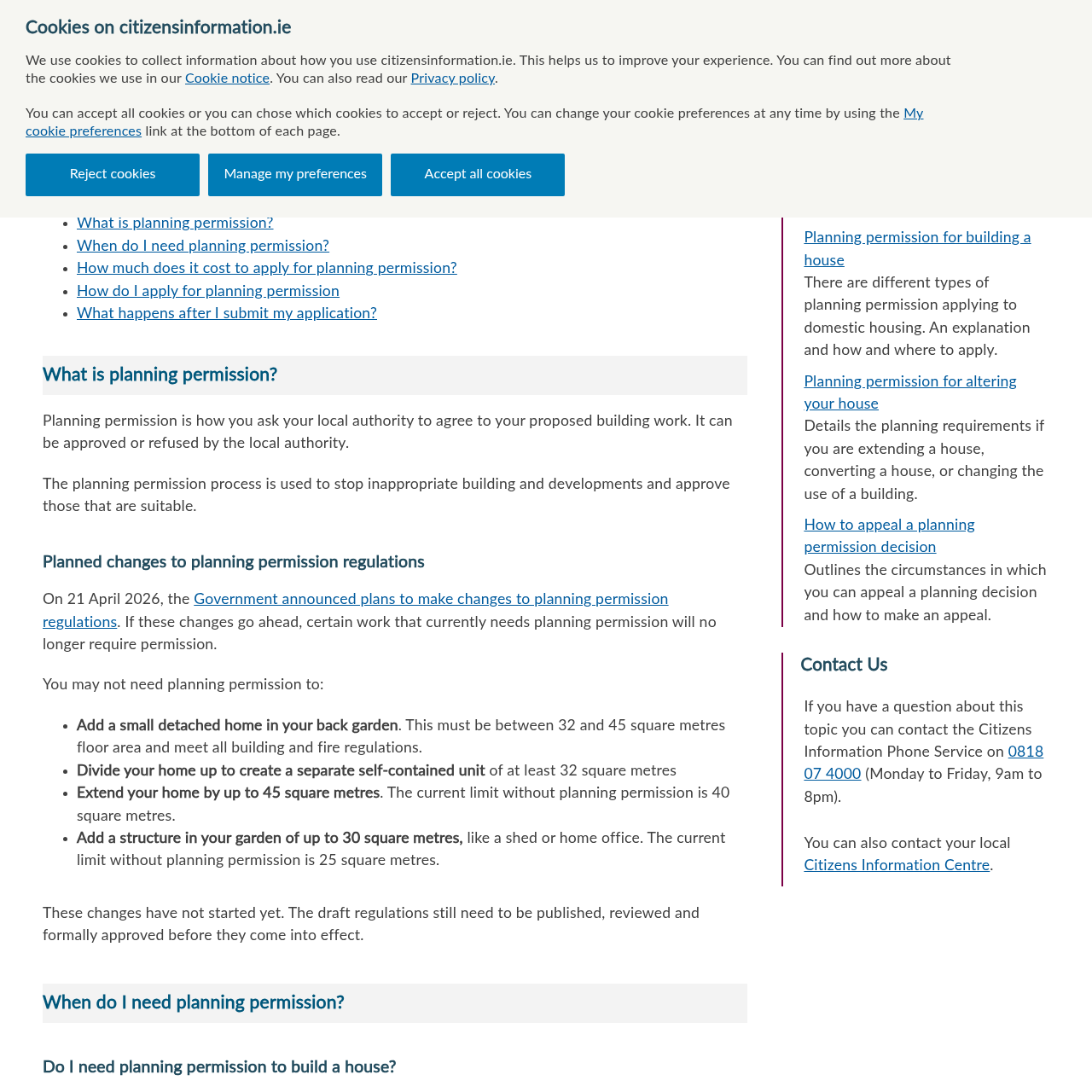 Jina screenshot from Citizens Information. It is useful context, but the local authority decides on real applications and exemptions.
That matters because a mobile home site is often sold on simplicity. The unit may be movable, but a long-term residential setup with services can still look like a dwelling in planning terms. Wheels do not automatically make full-time living exempt.
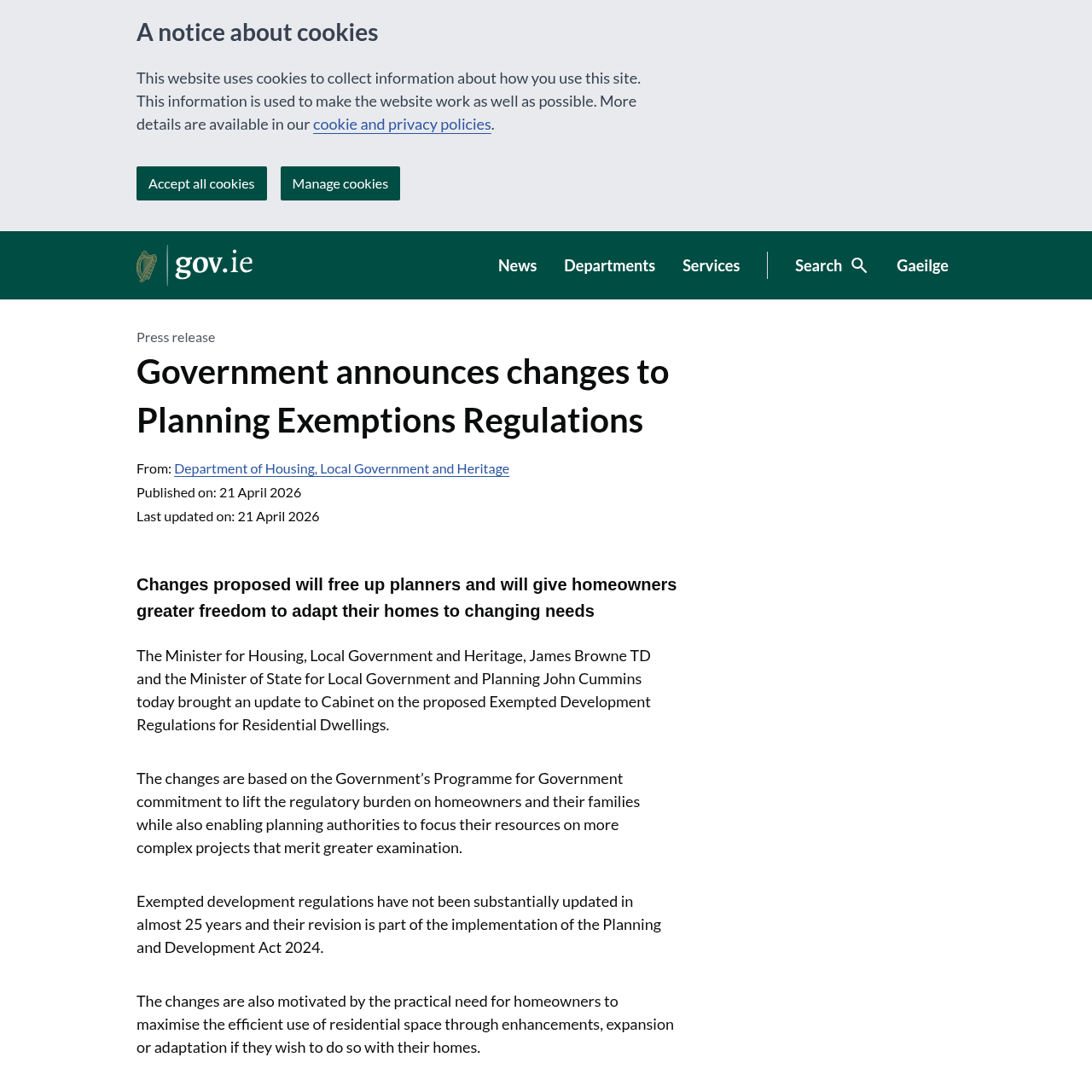
The Government's April 21, 2026 announcement is also relevant, but it should not be stretched. It refers to proposed planning-exemption changes for certain auxiliary habitable dwellings between 32sqm and 45sqm, linked to the services of the main house, subject to conditions still to be finalised. It does not mean every mobile home, caravan, tiny home or field site is exempt.
Four common site routes
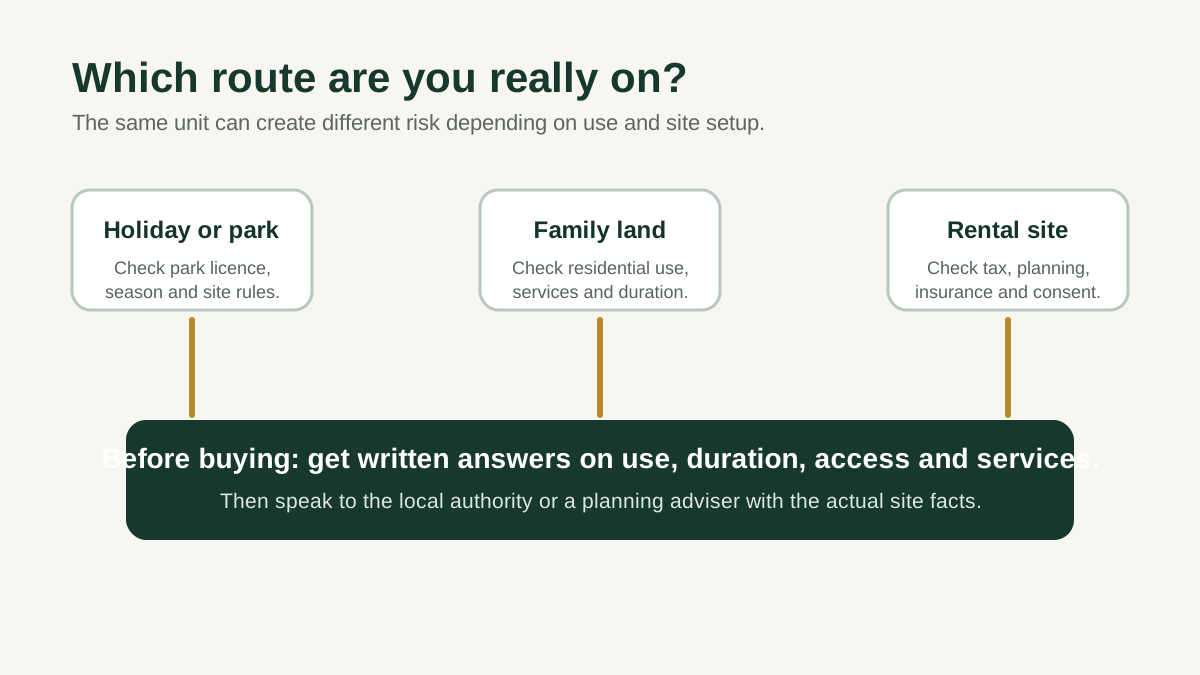
1. Holiday park site
A park site may be the cleanest route if the goal is seasonal or leisure use. The trade-off is that you are buying into the park's rules, not creating a private residential home. Check:
- site fees
- season length
- age limits on units
- resale restrictions
- utility charges
- insurance requirements
- whether year-round residential use is allowed
Do not assume a holiday park can become your permanent address.
2. Family garden or side plot
This is the route many Irish households want. It can work only if the site, use, services and local authority position are understood. If the proposal is really a separate home for an adult child, write it down honestly before speaking to a supplier.
The planned 32sqm-45sqm auxiliary-dwelling route may become relevant for some families, but the final conditions still matter. Until then, treat the site as a planning discussion rather than a product shortcut.
3. Field or rural private site
A field can look attractive because there is space. Space is not the same as permission. Rural planning policy, access, wastewater, sightlines, ecology, drainage and service connection can make a field harder than a garden. If you do not already have a house on the land, the question may become a full rural-housing planning issue.
4. Rental or income site
This is the riskiest route for claims. Do not market a mobile home site as tax-free rental income. Revenue's Rent-a-Room relief guidance is based on letting accommodation in your home, and separate or detached units should be treated with caution. The Government has also said tax treatment for auxiliary dwellings is still for Budget and Finance Bill consideration.
If income is the goal, read the wider rental income and payback guide and run the numbers conservatively.
Services checklist before choosing a site
Mobile homes are often priced as if the unit is the project. The site can be just as important.
Ask for a written answer on:
- electricity supply and certification
- water connection
- wastewater and toilet route
- heating and ventilation
- broadband or mobile signal
- hardstanding, pads or foundations
- fire separation and access
- insurance
- removal method if required
Wastewater deserves special attention. A unit with a toilet and shower is not the same project as a unit used as a day room. If the land has no clear wastewater route, get that answer before you compare finishes, cladding or kitchen upgrades.
What to ask a seller or supplier
Use this list before paying a deposit:
- Is this unit designed for full-time residential use in Ireland?
- What planning documents can the supplier provide?
- What exactly is included in the delivered price?
- What site works are excluded?
- What access does the transporter need?
- Does the unit need a crane?
- What electrical certification is included?
- What warranty applies if the unit is occupied year-round?
- Can the unit be moved again without major damage?
- What happens if the local authority says planning permission is needed?
If a supplier is vague about planning, services or access, the site is not ready.
Best next step
Before hunting for the cheapest mobile home, build a site file. Put the address, land ownership, intended use, estimated duration, services plan, access photos and rough budget in one folder. That makes conversations with a planner, local authority, supplier and solicitor much more useful.
For fixed small-home alternatives, compare residential log cabin planning permission in Ireland and planning permission for a mobile home in Ireland. The right answer may be a mobile home, a garden room, a log cabin, or waiting for the final auxiliary-dwelling regulations.
FAQ
Can I put a mobile home on my own land in Ireland?
Owning land does not automatically give permission for residential use. The local planning position, services, duration and site impact still need to be checked.
Is a mobile home exempt because it has wheels?
No. Wheels can matter, but planning looks at the real use and impact. A long-term serviced home may raise planning issues even if it can technically move.
Can I rent out a mobile home on my land tax-free?
Do not assume that. Current Revenue Rent-a-Room guidance should not be stretched to detached or separate units without tax advice.
What is the first site check?
Decide the honest use: holiday, family temporary stay, full-time home or rental. That answer changes the planning and services route.