Residential log cabin planning permission in Ireland is a different question from buying a garden cabin, shed, studio, or summer room.
The word that changes everything is residential. If someone is going to live there full-time, sleep there, cook there, shower there, and receive services there, the planning risk is much higher than for a garden building used occasionally.
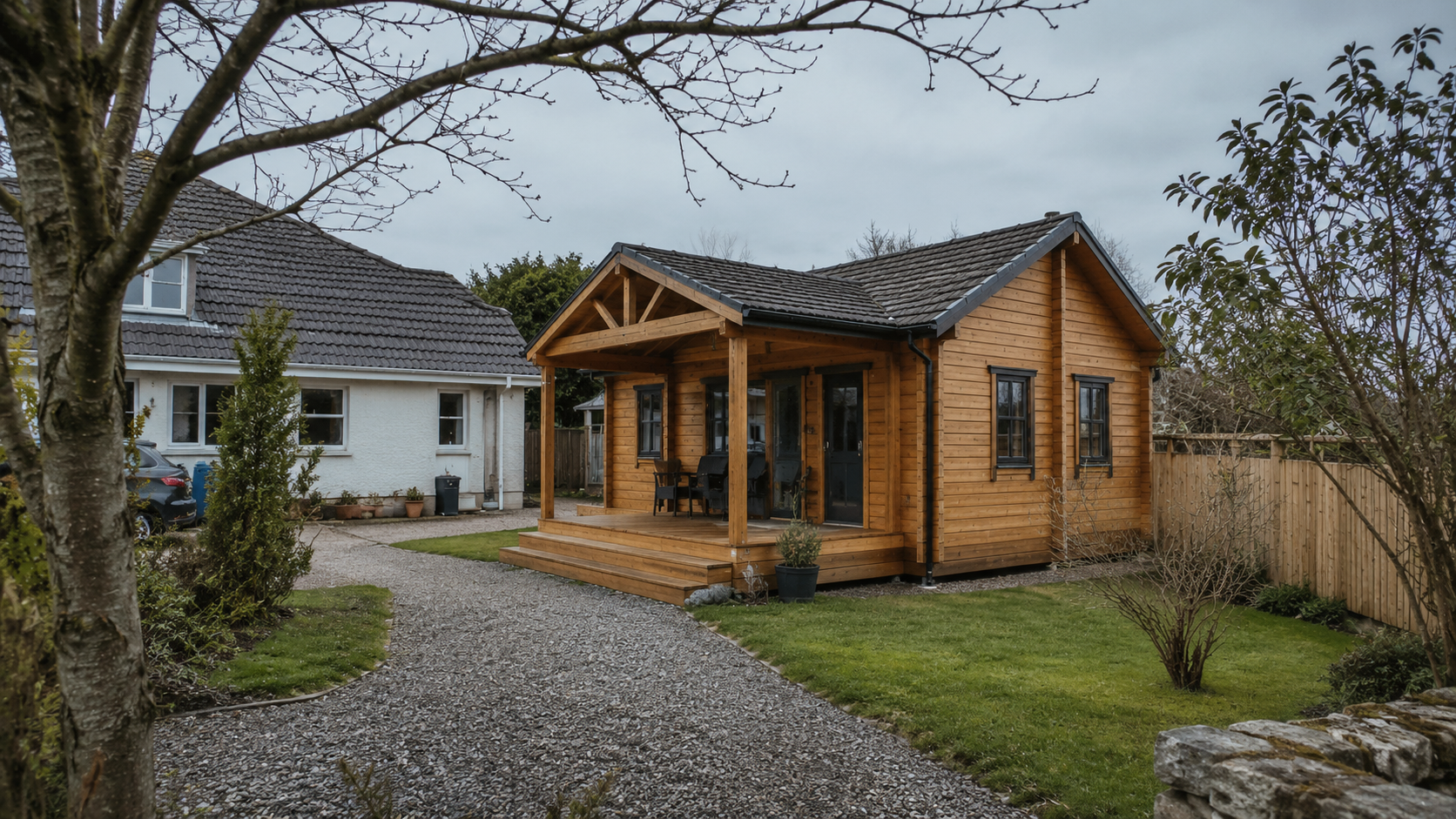
If you have not read it yet, start with the broader log cabin planning permission Ireland guide. This page goes deeper on full-time living.
Why full-time use changes the answer
A log cabin can look simple from the outside. Planning looks at what it does.
Full-time residential use usually means:
- sleeping accommodation
- toilet and shower
- cooking facilities
- heating
- water and wastewater
- electricity
- year-round insulation and ventilation
- a practical access route
At that point, the cabin is no longer just a garden structure. It may be treated as a dwelling, annex, auxiliary dwelling, or unauthorised residential use depending on the facts.
"It is only in my parents' garden" is not enough
Many people search this because they want to live on family land. That is understandable. Rents are high, deposits are hard, and a cabin in a parent's garden can feel like the only realistic step.
Planning still needs a defensible route. Write down:
- who will live there
- whether it is temporary or long-term
- whether rent will be paid
- whether it connects to the main house services
- whether it can fit within the proposed 32sqm to 45sqm auxiliary dwelling range
- how wastewater will be handled
- what happens if the family situation changes
For the family-land question, read can I build a home in my parents' garden in Ireland?.
The 2026 auxiliary dwelling changes
The Government's April 2026 announcement is relevant because it proposes a new planning exemption for certain auxiliary habitable dwellings between 32sqm and 45sqm, linked to the services of the principal house.
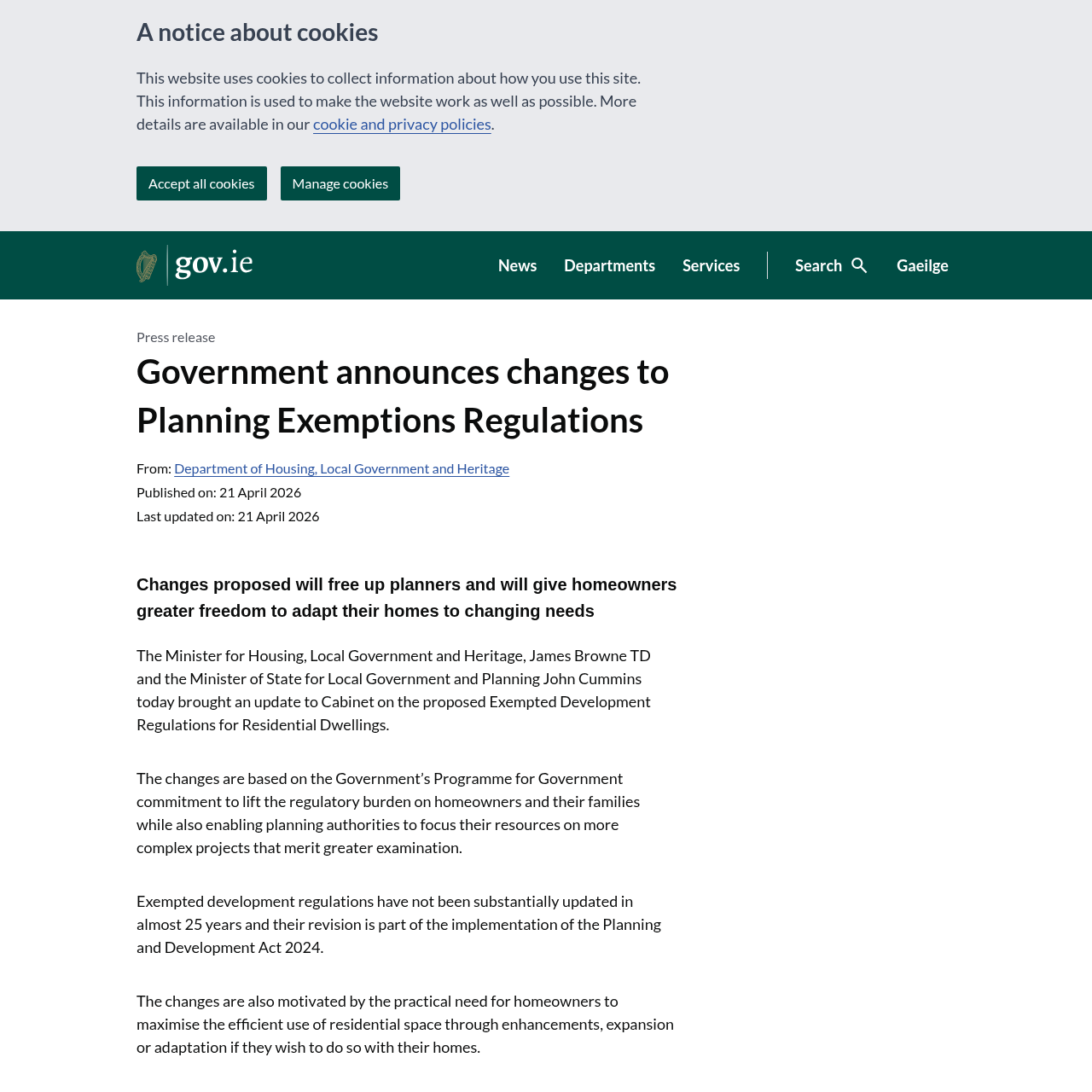
That may help some compact family accommodation projects. It does not mean every residential log cabin is automatically exempt. The final rules, floor area, services, garden space, building regulations, fire safety, and local constraints still matter.
Services and building quality
Before considering any residential cabin, ask whether it is designed for full-time Irish living. A year-round home needs more than timber walls.
Ask suppliers about:
- insulation and U-values
- airtightness and ventilation
- heating and hot water
- condensation control
- wastewater and drainage
- electrical certification
- fire safety
- foundations
- warranty for residential use
If a supplier sells a leisure cabin but you plan to live in it, the product may not match the use.
Rental and tax caution
Do not assume a detached residential log cabin can be rented tax-free. Revenue guidance on Rent-a-Room relief should be treated carefully for detached units, and current examples distinguish between accommodation in the home and detached accommodation.
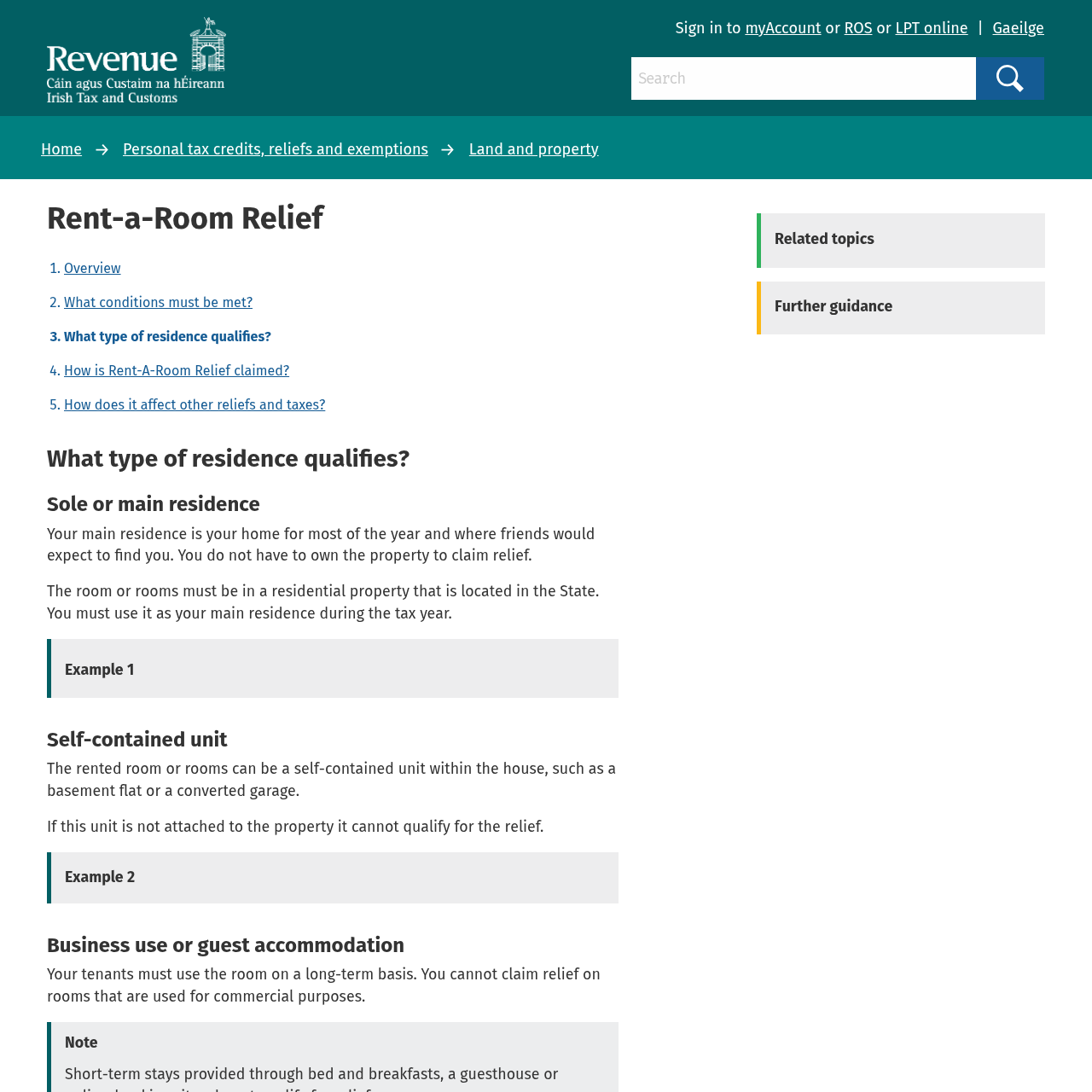
If rental income is part of your plan, use the rental income guide and speak to a tax adviser.
Supplier questions before paying
Ask:
- Is this cabin certified for residential use in Ireland?
- What planning route is assumed?
- Is the cabin within the auxiliary dwelling size range?
- Are planning drawings included?
- Are services, foundations, and wastewater included?
- Is the warranty valid for full-time occupation?
- What happens if planning permission is refused or required?
If you are comparing cabins with other small-home options, tiny homes on wheels Ireland covers the wheeled route and its planning limits.
Bottom line
Residential log cabin planning permission in Ireland depends on use, not just appearance. A cabin used as a home needs a proper planning, services, and compliance answer.
Do not buy first and ask later. Define the living arrangement, check the auxiliary dwelling rules, confirm services, and get the supplier's planning assumptions in writing.