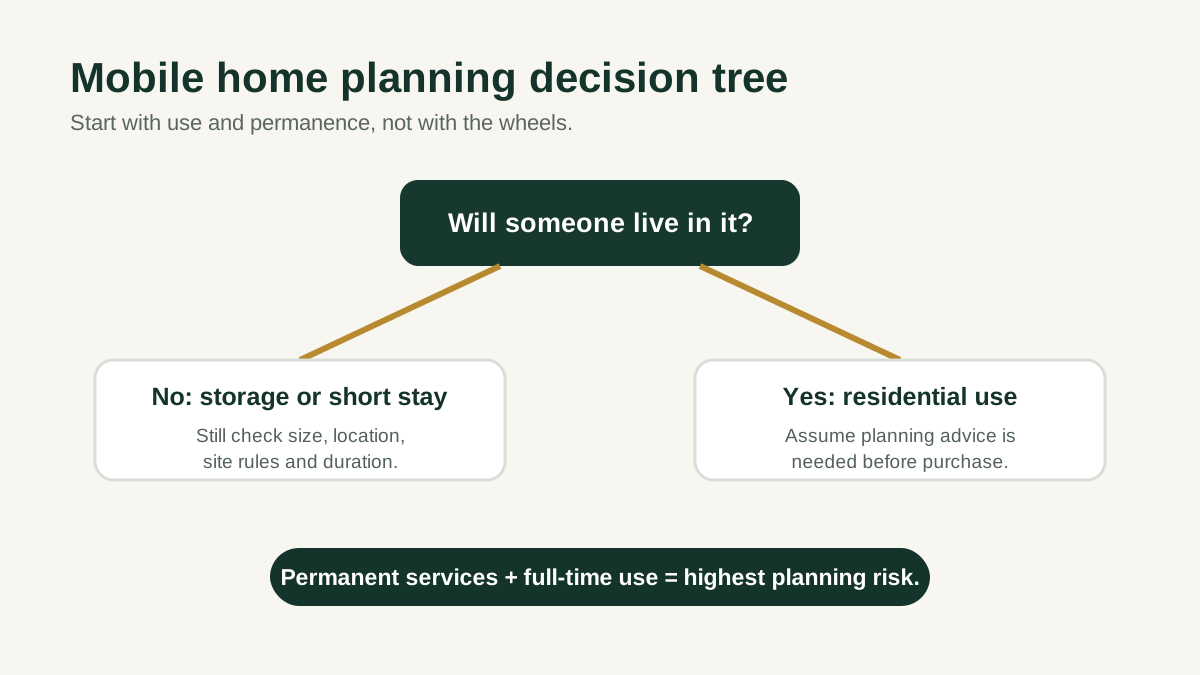
If you are searching planning permission for a mobile home in Ireland, start with the practical truth: wheels are not a magic planning exemption. The real questions are use, duration, services, site impact and whether the setup is effectively a dwelling.
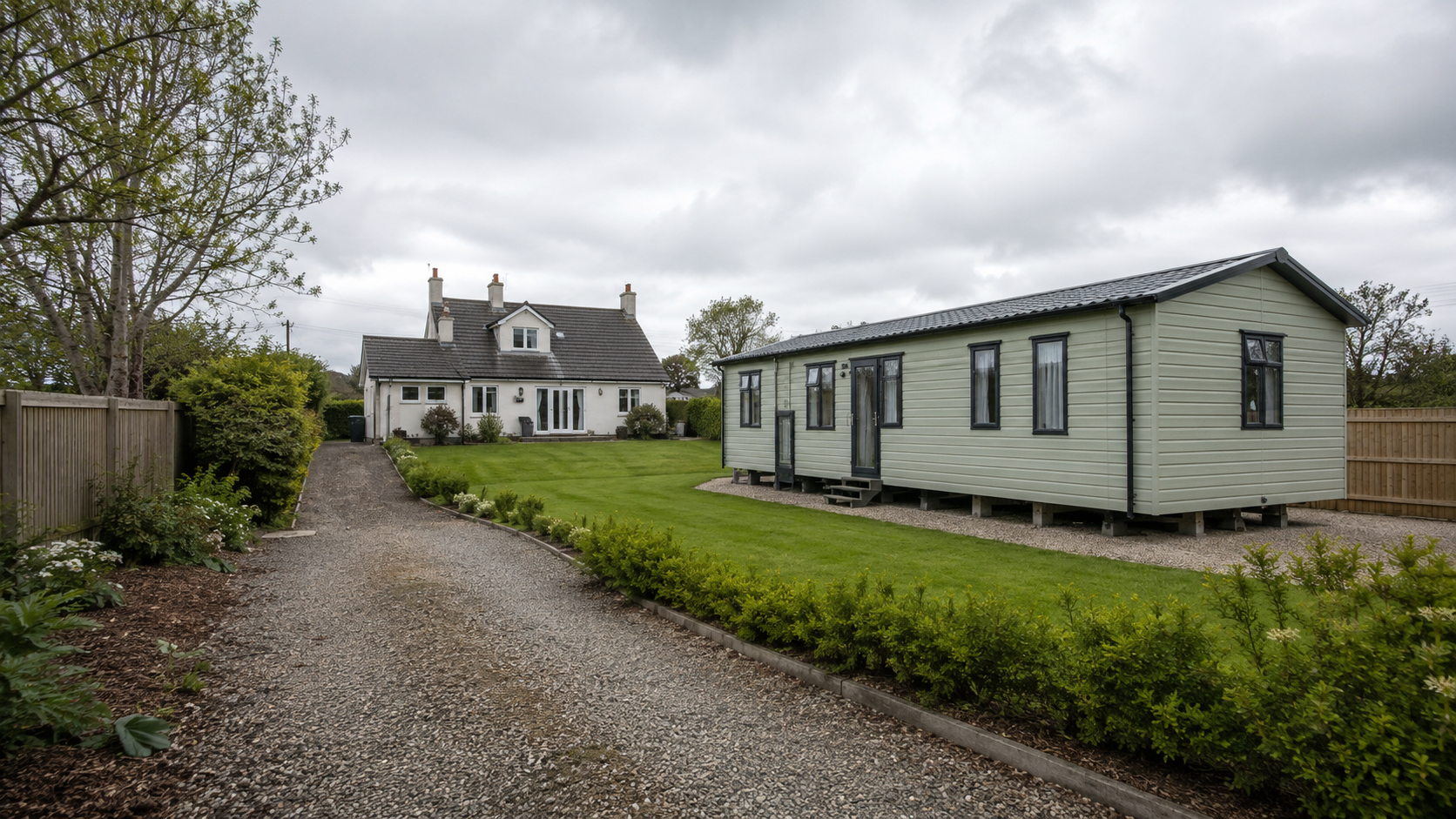 Generated concept image. It shows the type of site discussion buyers should have before purchase.
This guide is deliberately cautious. It does not replace a local authority decision or planning advice. It helps you avoid the common mistake of buying first and asking the planning question afterwards.
Quick answer
You may need planning permission for a mobile home in Ireland if it is:
- used as someone's full-time home
- kept on site for a long period
- connected to water, wastewater, power or broadband
- fitted with kitchen, toilet, shower and sleeping space
- placed on family land as a separate residence
- used for rental income
- causing access, traffic, drainage or neighbour impacts
You should not rely on "it has wheels" or "it can be moved" as the whole planning argument.
What official guidance says
Citizens Information explains planning permission as the process where you ask the local authority to agree to proposed building work. Its planning page also says planned 2026 changes have been announced, including possible exemptions for certain small detached homes in back gardens, but that those changes have not started yet and draft regulations still need to be published, reviewed and approved.
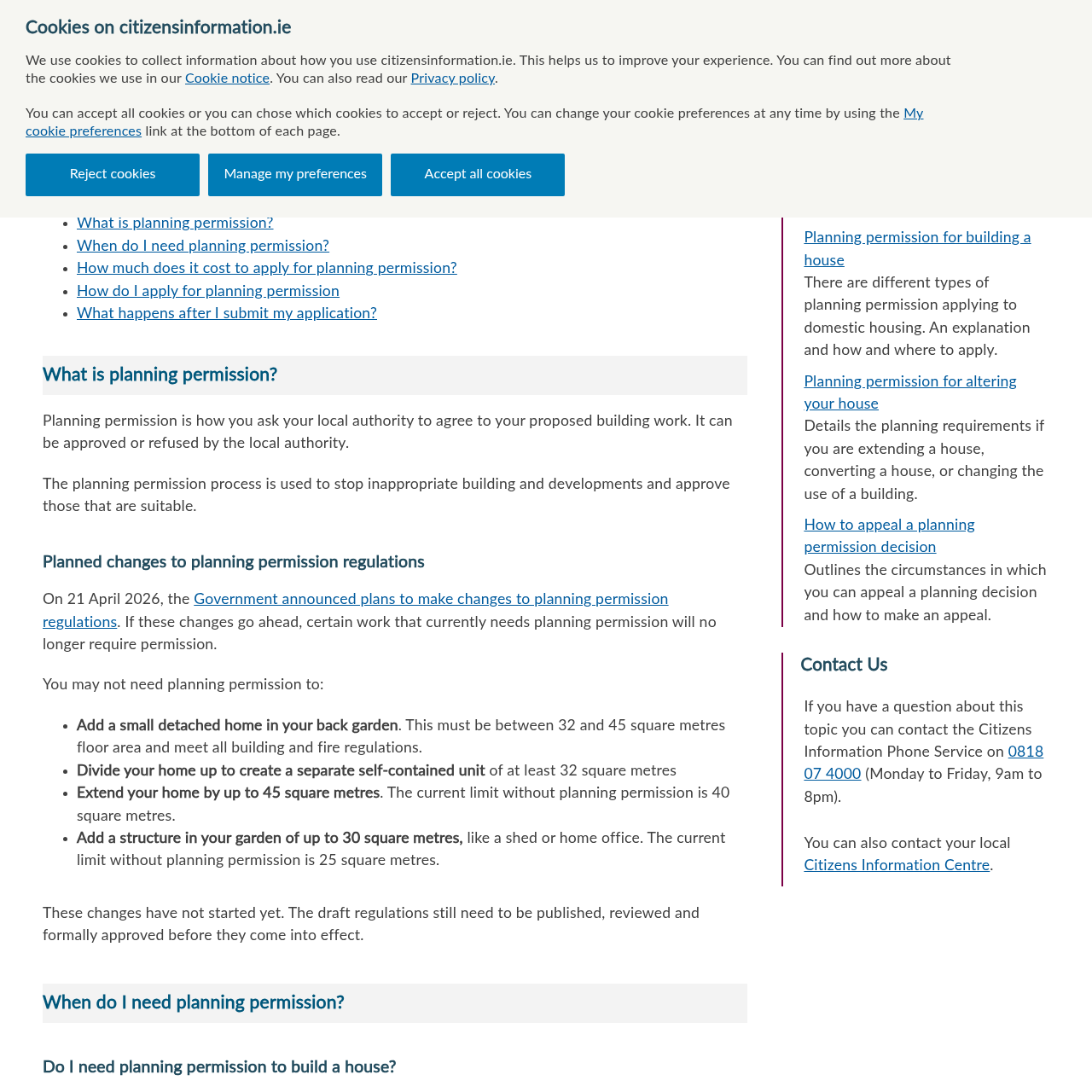
The Government's April 21, 2026 announcement says proposed changes include a new exemption for auxiliary habitable dwellings between 32sqm and 45sqm, linked to the services of the principal house and subject to conditions. It also says building, building control and fire regulations will still apply where relevant.
That announcement is important for modular and garden-home buyers, but it should not be read as a blanket permission for any mobile home on any site.
Why wheels do not settle it
Planning looks at reality. A mobile home can be:
- a touring caravan
- a seasonal holiday unit
- temporary accommodation during building works
- a family member's long-term home
- a rental unit
- a full separate dwelling in practice
Those are different uses. The same physical unit can sit in different planning categories depending on how, where and why it is used.
If the unit is connected to services, has residential facilities and stays in place, the planning risk increases. If it has an exit plan, limited duration and no permanent residential use, the facts may be different. The point is to document those facts before buying.
Family land scenarios
The most common scenario is an adult child or relative wanting to live on family land. This is understandable, especially with Irish housing costs. But it is also exactly where people can blur the planning line.
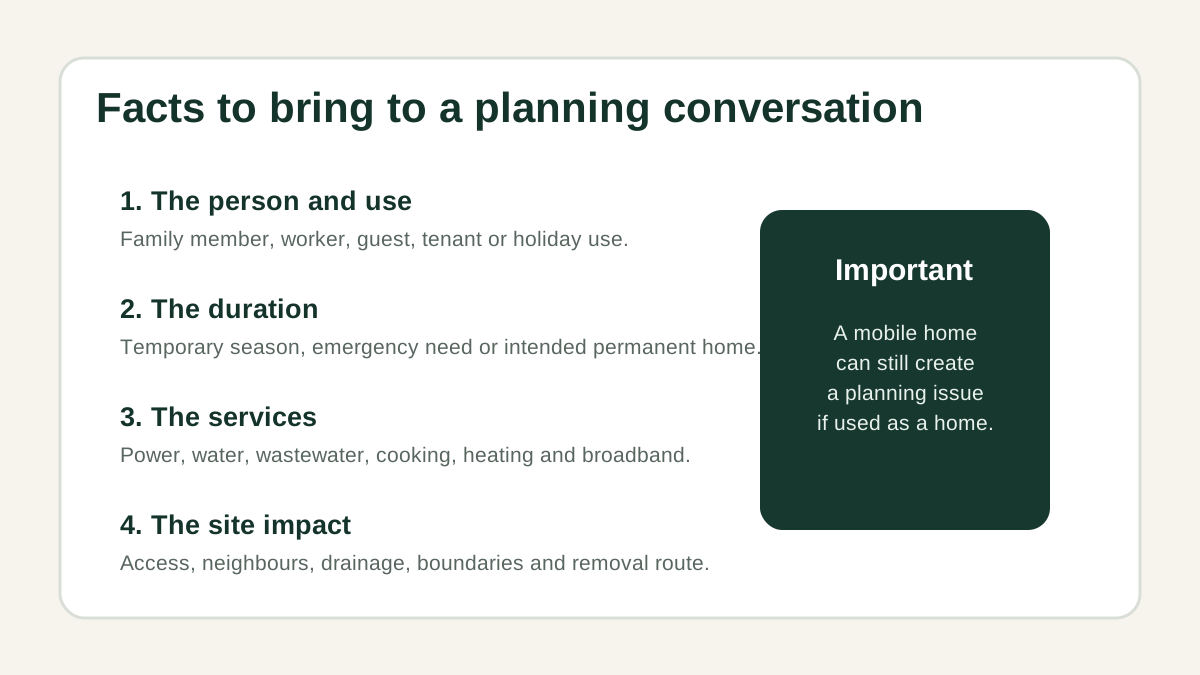
Write down:
| Question | Why it matters |
|---|---|
| Who will live there? | Family need is different from commercial letting, but still needs clarity |
| How long? | Temporary support and indefinite residence are different facts |
| What facilities? | Kitchen, bathroom and sleeping space can point toward dwelling use |
| What services? | Permanent service connections increase planning significance |
| What happens later? | Future letting or sale can worry planners |
For the broader family route, read can I build a home in my parents' garden in Ireland?. For choosing land, read site for mobile home Ireland.
Temporary use is still fact-specific
Some people need temporary accommodation during renovations, farm work, family care or a crisis. Temporary use can be a different planning conversation, but it is not automatically exempt.
Prepare:
- start date
- expected end date
- reason for the temporary need
- location on site
- services plan
- removal plan
- photos or map
- written supplier details
If the unit is still in place years later, the temporary argument weakens.
Rental and Airbnb caution
Do not buy a mobile home on the assumption that you can rent it tax-free or use it as easy short-stay income. Revenue's Rent-a-Room relief guidance is not a blanket relief for detached or separate units. The Government has also said tax treatment for auxiliary dwellings is still for Budget and Finance Bill consideration.
Planning, tax, insurance, local authority rules and platform rules can all matter. This site does not recommend relying on Airbnb or tax-free rental claims for a mobile home without professional advice.
Services and site works
Even a mobile home can need serious site works:
- hardstanding or pads
- drainage
- wastewater route
- electrical connection
- water supply
- steps, ramps or paths
- fire access
- boundary treatment
- broadband
Those works can themselves raise planning or compliance questions. A unit that arrives on wheels may still become part of a fixed residential setup once services and access are installed.
Before you buy: the local authority question
Before paying a deposit, prepare a short site note:
- Address and Eircode.
- Site map or sketch.
- Unit size and photos.
- Intended use.
- Expected duration.
- Occupant details.
- Services plan.
- Access route.
- Removal plan.
- Any previous planning history.
Then speak to your local authority or a planning adviser. A clear factual note gets better answers than a vague "Can I put a mobile home on land?"
How this differs from the 45sqm modular-home route
The proposed 32sqm-45sqm auxiliary dwelling route is a fixed small-home conversation linked to the main house and subject to conditions. A mobile home planning question may involve different facts: wheels, temporary use, park use, rural land, family land or rental intent.
If you are comparing fixed modular units, read modular homes planning permission Ireland and residential log cabin planning permission Ireland. Keep each route separate so you do not mix supplier claims, draft exemptions and actual permission.
Bottom line
Planning permission for a mobile home in Ireland depends on the site and use, not just the product label. The safest move is to ask the planning question before the purchase question.
If it is full-time accommodation, connected to services or intended to stay long term, treat it seriously. If it is temporary, document why, how long and how it will be removed. Either way, build the file before buying.
FAQ
Do I need planning permission for a mobile home in my garden?
You may, especially if it is used as a full-time home or separate living accommodation. Check the facts with your local authority before buying.
Does a mobile home count as a temporary structure?
It can, but the label is not enough. Duration, services, facilities and actual use matter.
Can a mobile home be used while building a house?
Sometimes temporary accommodation is discussed in that context, but you should get local authority advice on the exact site, duration and removal plan.
Are the 2026 garden-home exemptions already live?
Citizens Information says the planned changes have not started yet and still need draft regulations and approval. Treat them as important but not automatic.